Iced seems really promising, however, it's a passion project by a single developer. They very clearly stated that their goal is to follow their passions and desires first, everyone else second, and that it will always be a single person project. Their readme even discourages contributions.
Companies using it in production are often forking it as a result, and trying to keep their fork in sync. Ultimately, if the community wants iced to become a major and stable framework, it will have to be forked and a community development model built around it.
And I'm not saying this to disparage the author in any way, their readme even seems to suggest that that's exactly what they'd prefer.
I'm partial to Dioxus with their native renderer coming up, it should work cross-platform on mobile, web, desktop like Flutter (except web is actually HTML and CSS, not canvas) rather than only desktop which is what most Rust GUI frameworks are targeting.
Not contesting your claim, but would you mind sharing what major hardware vendor you mean?
I love iced and wrote a decent amount of code using it, but in my mind the biggest sponsor is system76 - and as awesome as they are they aren’t a major vendor yet :)
Has System76 started designing, or more correctly outsourcing more expensive custom motherboard designs, like Lenovo and Dell or are they still selling slightly customized white-label laptops?
Not sure how the UI engine itself compares, but to me it is all about the available components (as a total non-designer, although AI helps with that now). The only choice I have at the moment that would meet my needs is gpui, as gpui-component now exists.
Stores have whole grain bread. Germany isn’t unique and there are plenty of bakeries in the US that make fresh bread. If you can’t be bothered to make or buy good bread then that’s on you not the government.
The fact that they’re not going after any industry except to prop them up (meat, dairy) is a sign they aren’t doing anything about the unhealthy population in the US. The unhealthy population voted them in and doesn’t want to stop eating sugar.
If they really wanted to focus on changing the unhealthy lifestyles they would be promoting a high fiber diet but they didn’t they increased the recommended intake of protein which is not a healthy thing.
Furthermore I don’t know a single person who uses Federal guidelines to live. If they did they wouldn’t be eating the sugar anyways.
> Stores have whole grain bread. Germany isn’t unique and there are plenty of bakeries in the US that make fresh bread.
That's a common misunderstanding. My last comment on the difference between "bread" and "bread" in different countries, from some months ago, including links and pictures: https://news.ycombinator.com/item?id=45795914
Roughly, you could say any bread that you can squeeze and it temporarily loses its shape is a single category not considered very healthy in Germany ("white bread"), and not what a German would typically mean when they speak of bread.
I don’t know what you’re talking about because I’m not referring to sliced bagged bread. I’m referring to bakery made round loaves that come from local places and sold at stores. It is quite common in the US in the three regions I’ve lived. It would look similar to this focaccia but imagine a round peasant loaf or sourdough loaf:
I wonder if you followed my link, since nothing there refers to sliced bagged bread, not the original US poster and neither my reply, and the photo you posted shows yet another soft/squishy bread, which is exactly what Germans wouldn't mean when they speak of "bread" but refer to as "white bread", similar to the ones in the linked post but not my reply where I try to point out the differences, like the variety of grains involved. I was hoping the photos would convey some of the differences but I guess it's hard to understand unless you have touched and tasted it.
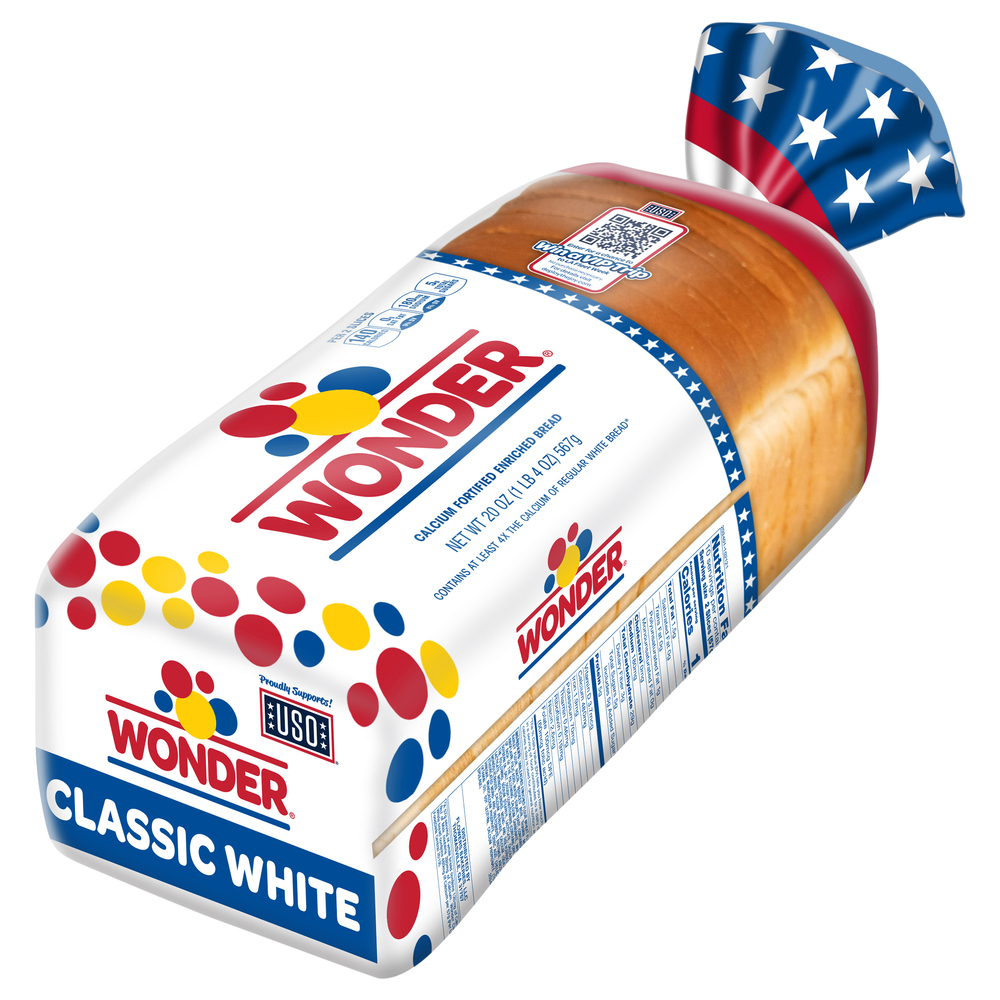
I followed your link and indeed we have "soft squishy white bread" in the US or wonder bread or whatever brand you want to tout and "sometimes" it's called "white bread" but only if it's white. If it's soft, squishy, sliced, and bagged but has whole grains than it's typically not called "white bread" but "whole wheat" or whatever the base of the bread is. Germany doesn't call that bread, "cool" but irrelevant to the point I'm making. I don't consider it real bread here either!
However that is not the bread that I am talking about which is whole grain, sourdough, whole meal, etc. The bread I am talking about that doesn't have sugar, isn't squishy, and isn't sliced, is available to people in the US. The conversation is about US health. I get it, Germans have bread and they have squishy white bread too. So do Americans. In the US it's usually pre-sliced and bagged. You don't have to buy the garbage squishy "white bread" in either place.
See how those are distinctly different than the bread pictures you have shown? That is "white bread" in the US.
Germans tend to make a "hardier" bread (from not including a leavening agent) that isn't super soft and their culture has quirks about the topic, but it doesn't mean that there isn't healthy sugar-free and preservative-free bread in the US. German bread isn't "healthier" because it doesn't use yeast.
The type of bread you seem to be talking about is unleavened Pumpernickel or Rye bread. The main difference from German "white bread" being: non-rye flour, and leavening agent of some sort
> Germans tend to make a "hardier" bread (from not including a leavening agent) that isn't super soft and their culture has quirks about the topic, but it doesn't mean that there isn't healthy sugar-free and preservative-free bread in the US. German bread isn't "healthier" because it doesn't use yeast.
Agreed. I just wanted to point out the confusion/misunderstanding that happens around this topic. Germans have the deeply ingrained (pun) idea that only the harder bread is healthy (and has earned the right to be called "(proper) bread"), and the softer versions are not. I just very much prefer the slightly harder/denser ones (that still contain yeast) with a nice crunchy crust, and found them very difficult to get in the US whereas in Germany they are everywhere, presliced or not.
And, no, I am not talking about Pumpernickel-style breads either. That's another category: "soft/white bread", "(typical/standard) bread" (which is a range between white and black in terms of softness/grain size and can be all wheat, or other grain), and "black breads" like Pumpernickel or Barbara Rütting.
> Stores have whole grain bread. Germany isn’t unique and there are plenty of bakeries in the US that make fresh bread. If you can’t be bothered to make or buy good bread then that’s on you not the government.
American bread brands tend to have a lot of sugar in them. I've had a few foreign friends that have commented on just how sweet all the bread here is.
It isn't that you can't find low sugar breads in the US, but rather it can be something that hard to even know you should be looking for. Just because a bread is whole grain won't make it healthy.
Germans also tend to really like whole grain and dark breads. Rye bread in particular is something a lot of germans like.
I’m not talking about sliced bread like Wonder bread or Dave’s Killer Bread, etc. If you can’t find sugar-free bread then you you’re not trying. Many places make big round whole loaves, bag them and sell them at grocery stores. The bread goes bad quicker because it doesn’t have sugar. You can find anything from basic peasant bread to whole wheat and sourdough. In the 3 different regions I’ve lived in the US I have never had an issue with finding good bread.
There’s none because they list the ingredients on the bag when you buy it. It still has to follow nutritional information. Anyways we’re done here, you only seem interested in arguing that regular bread doesn’t exist.
So can we dismantle other security theater with balloons? Can we make a balloon for Tsa that is harmless and will cost too much to fight and demonstrates the pointlessness of Tsa?
"The news of the failure comes two years after ABC News reported that secret teams from the DHS found that the TSA failed 95 percent of the time to stop inspectors from smuggling weapons or explosive materials through screening."
All of our non-major cities are even bigger dumps then. I live in Nyc for 8 years. I didn’t sit around the whole time b-ing and moaning that the city had a trash problem. I got involved in my community and active in the political movements here. When you start making issues visible and get your neighbors vocalizing the issues themselves, a lot more gets done than being in a “grumpy mood” about it indefinitely.
The real dumps are the people who complain along the way but make no effort to improve their world. Aka American culture.
> I got involved in my community and active in the political movements here. When you start making issues visible and get your neighbors vocalizing the issues themselves
But you didn't actually succeed in cleaning up New York, right? So maybe the problem is a culture that prioritizes "making issues visible" and engaging the "community" in "political movements," instead of every parent teaching their child from a young age to pick up after themselves?
> All of our non-major cities are even bigger dumps then.
Most, but not all. I was shocked to my core when I visited Salt Lake City and Provo. The closest place to Japan in the whole U.S.
"Making issues visible" can be kinda dangerous in that groups that do that become dependent on those issues continuing. Also they frequently misdiagnose problems: for instance homelessness is seen as a problem of "poverty" and not "management of severe mental illness".
It's true technically that the median homeless person is not mentally ill, but the median homeless person is "between apartments" and the intractable cases, the people who are screaming on the street corners and breeding pitbulls that bite people on the Ithaca Commons are a public health problem.
Maybe bad example but, Let's say you spill some food at a fast food place, shopping mall, airport. Do you make an effort to clean it up yourself or are you like "It's someone's job to clean this place therefore I can just leave it for them".
Maybe that's too harsh an example but I see locals cleaning the streets in Japan, not government hired street sweepers. I don't know the details if they just did it, or if they registered to volunteer to be responsible for that area, or if there is more to it. And I also don't know if they feel put-out, as in "why am I doing this" vs proud for making the area clean.
> provo and salt lake
Not sure in what dimension? Plenty of neighborhoods in larger LA, SF, SD, Seattle, are clean.
It's a mix of things. Japan's reputation for extreme cleanliness was partly engineered in preparation for the 1964 Olympics, in which organizers spent ~5% of the budget on beautification efforts. Arguably they started out from a higher personal baseline with bathing culture and there's also issues of population density, monoculture, and social sanctions. But there's also something of a gap between trope and reality; public urination is pretty common in Japan, especially at night, which shocks some people.
I think you’re correct that it’s a culture of “someone else will do it.” Also, you can go further and pick up trash that doesn’t belong to you in an effort to keep the space clean for everyone: https://youtu.be/5N2eM7Za9Ss. In some cultures, it’s taboo to touch other people’s trash. In many more, it’s considered beneath the social class of people to clean up like that.
What amazed me about Provo and SLC was how clean and orderly the busy public spaces are, not just the nicer neighborhoods. There’s clean and orderly rich neighborhoods in every place in the world. Palo Alto pays people to go around and power wash everything. What’s rarer is places where even the busy tourist areas and lower income neighborhoods are clean. What you’ll see often in Tokyo are places that are not nice—worn out buildings, or buildings with mildew on white surfaces because it’s still a hot and humid country—but where the streets are clean and well kept.
SLC is a major city and a dump then by your observation-only position.
> instead of every parent teaching their child from a young age to pick up after themselves
What? Are you going to fine or arrest every parent that doesn’t teach their kids to pick up after themselves? How has expecting parents to do that worked out so far? Their culture is similar to how you suggest to operate: just complain about society instead.
That’s why they don’t teach their kids to pick up after themselves.
Okay. Well I think we’re done with this discussion here. I never said it was a done project but that things are changing. Enjoy your dumpy city you dont care about.
Will you provide context around how you got involved and got your neighbors to vocalize? I think there’s a lot of learned helplessness and cynicism that gets in the way of making things better. I know I personally suffer from this and lack the tools, motivation, and follow-through to make an impact.
I’ll just link you to my reply but getting involved with a group about your specific first-world problem shouldn’t be difficult. For everything else either start a group or join one.
I also protested during BLM and advocated for repealing 50-A amendment that gave criminal police protection from prosecution in NY. And we succeeded at that too!
Homeless people aren’t living in the bus. Cool your stigmas. It’s weird your biggest concern is the people who need the most help. Life must be pretty good for you to attack those in need.
I did for a year in DC. There were some folks who were struggling - talking to themselves, intoxicated, fragrant. I sort of liked it. Made me feel alive.



https://iced.rs
reply