The Apple ID sign in is insane in the first place. Why does Apple want to feel so frickin special and require a working iPhone for 2FA and passkeys, instead of adopting standards?
One day the eu will yell at them to do things normally and then Cook will go on stage to showcase what an awesome idea they had that nobody thought of before: “standards!”. Wait no, that’s usb c.
My elderly parents have managed to destroy more than one iPhone / Mac (dropped a glass of wine on the keyboard on the last one). Using the "Restore from iCloud" is a god send to get all their messages and settings back. So I'm willing to go through some pain / privacy invasion for that.
Kind of off topic, but is "spilled liquid on keyboard" still this unfathomable engineering barrier that nobody can break to make a more robust laptop for one of the most common causes of damage?
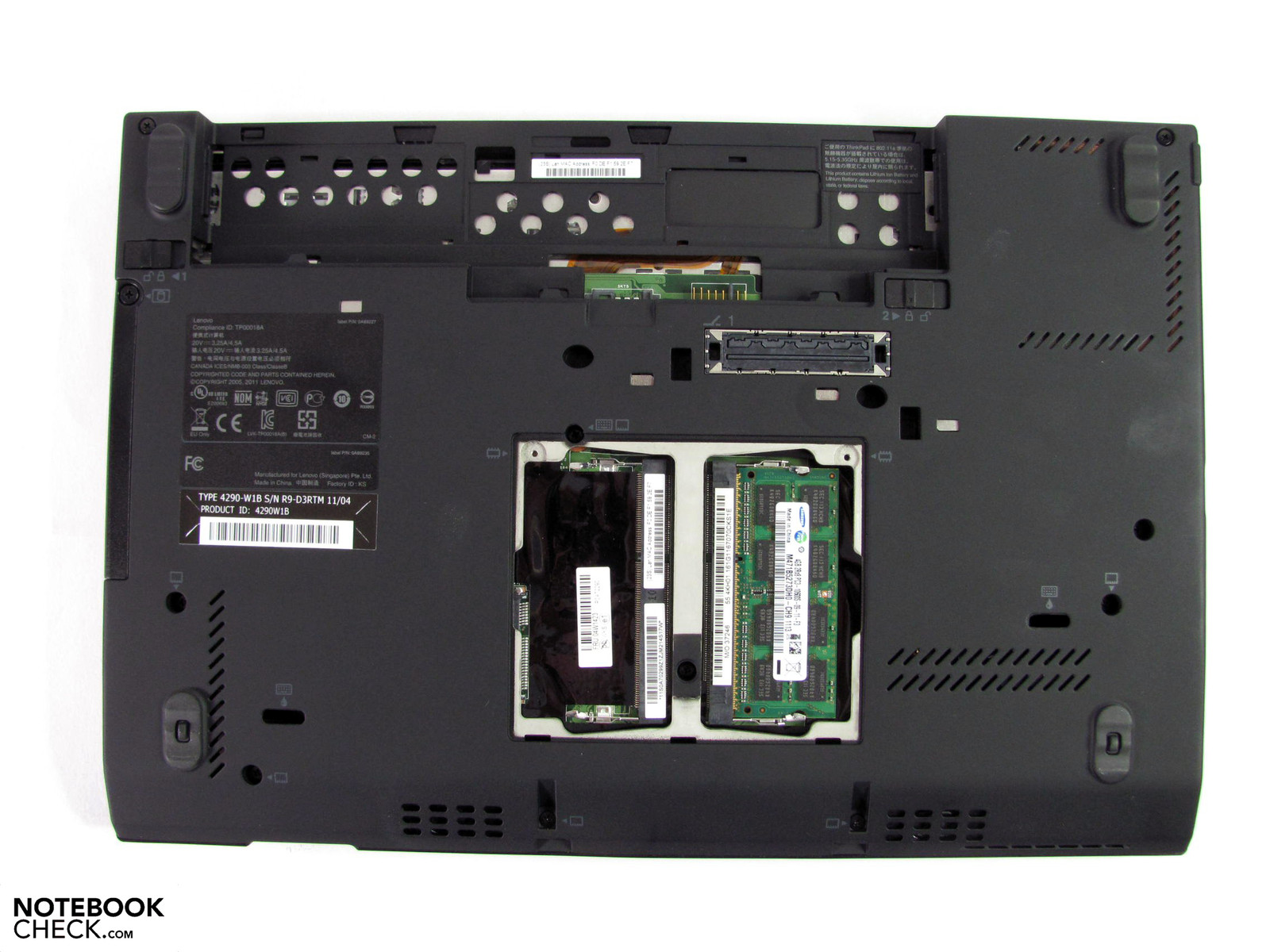
What do you mean? "Old" (up to Sandy Bridge) Thinkpads had no issue with that, it just meant no keyboard backlighting (which is why the ThinkLight exists).
You can destroy the keyboard but they're replaceable and usually contained the spill to just the keyboard so it didn't damage any of the more expensive components like the main board. The goal wasn't an invulnerable keyboard but to limit the damage to a cheap replaceable subcomponent that kept the laptop alive.
It’s complicated, especially as laptops have gotten thinner and tolerances tighter. Dell and Lenovo/IBM used to have laptops with drains.
Lenovo definitely has splash resistant laptops, and most semi-rugged devices are spill-safe, but spilling coffee is still a service event as the cream ruins the keyboard.
Doesnt hardware getting smaller and with tighter tolerances mean they it's easier to waterproof something? Less surface area to protect and tighter joints means there's less gaps to fill.
Most electronics are just fine. A few capacitors, and LCD displays are not fine with water, and probably a few other things I'm not aware of. However most electronics parts are encased in plastic or ceramic and just fine. In general mineral build up from washing in tap water once or twice is not significant, though if you are talking about hundreds of washings it will become a problem (depending on the quality of your local tap water). Deionized water is best if you can get it, but even that will harm a few components.
In general if you can wash it once (meaning components that cannot handle water are not used in this), the screws rusting out will be the next thing that gets you from washing.
Yeah but there are solutions. After years of being vulnerable to water the iphones are now waterproof. Cars have had engine electronics in boxes with wax in for decades. The cheapest stuff you buy in supermarkets comes in waterproof packaging.
All the things you listed arent things you interact with by pressing on them thousands of times in a day. Its a hard problem to make a keyboard that feels nice, looks nice and is waterproof. Its even harder if you know that the payoff isnt that marketable, I dont think I have ever seen a mainstream laptop advertisment talking about that you can spill stuff on it. Phones barely have buttons or holes anymore and it took us quite a while for the flagship-phones to be water-resistant.
All the keys are wearing hats, so the switches should be fine. Probably needs a couple of drain holes and some acrylic spray over the circuitry. 2¢ per keyboard.
Problem is, then they sell 40% less keyboards.
If instead they thin down the metal in the switches ever so slightly, then they break 2 months after the warranty expires and they sell 40% more...
The old IBM model Ms were often washed in a dishwasher - don't use soap, but hot water cleaned them out. Most circuit boards are (or were - I haven't looked in 20 years) washed in hot water near the end of their assembly. Just air dry for a day before use. Ideally you should was in deionized water (or at least rinse with distilled), but if you don't do this often most regular tap water is good enough)
The old model M's also had easy to replace keycaps so you could take them off and wash as often as you want. Only downside is the need to put them back on in the right place each time, which is tedious.
Not all electronic components are water safe, but most are. I have no idea how you figure out if your device is or not without taking it apart. If you do this "often" expect that screws will rust, or minerals will build up - each causing problems. However if you just wash once a year you can get a lot of junk out.
I dishwash my keyboards (Kinesis contoured) every year or so. Just rinse thoroughly, don't use high-temperature drying, and wait for it dry completely before powering on.
I have put multiple cheaper keyboards through the dishwasher over the years. No heat, no soap, and I make sure to thoroughly dry it of course. I wouldn't do it with a mechanical keyboard for obvious reasons, but I have done it many times with membrane keyboards.
I suspect the Model M was dishwasher safe (if you popped off the keycaps so they don't get lost - put them in a separate dishwasher bag). ... and there's a fair bit of material out there of people trying some variation of it.
There is nothing preventing storing standard 2FA secrets on iCloud. You shouldn’t blindly accept substandard behaviour because of imagined technical requirements.
I don't have an Apple ID and I don't have a Microsoft ID. I won't have either, ever. I do have a Google ID and I can't wait for the day that I can finally retire it. All of these feel like the exact opposite of what the internet should have been, this centralization and abuse of critical mass is a serious problem.
> I don't have an Apple ID and I don't have a Microsoft ID. I won't have either, ever.
I don't know whether I have a Microsoft account or not.
I didn't want to have one, obviously. But at some point I wanted to use Visual Studio and setting that up required me to create a Microsoft account. I continued not to use that account as an account on my computer, because why on earth would I do that.
So, other than using Visual Studio, that account never did anything at all, sort of like you'd expect from an account that you forced someone to create under duress.
One day I opened Visual Studio and a popup message displayed, telling me that because of what appeared to be fraudulent behavior by my Microsoft account, it was being revoked or disabled or whatever. (But I was still free to continue using Visual Studio.)
They just can't help themselves. It's as if someone's career depends on the number of users in the system, no matter whether or not they actually provide value to the users by having them in the system. Everybody and their dog wants you to be part of their eco-system. The best way to get me to not use a service is to have an account requirement that does not provide any functionality that I could have had without that account. It is also why pianojacq.com does not have any accounts, there simply isn't anything that you could do with an account that you can not do without.
> Everybody and their dog wants you to be part of their eco-system.
And that's the core problem. We stopped making tech and started making walled-garden "ecosystems." Apple is the most egregious, but everyone else is doing it too.
What ever happened to open standards, cross-platform, interoperability?
I never wanted a world where I have to choose all Apple tech, or all Google tech, or All Microsoft, or whatever just to get devices and software that integrate and play nicely together. When I was younger I remember being relatively platform agnostic. I had windows and Linux PCs, they dual booted without Windows killing grub every update, I didn't need to have my kernel signed with Microsoft's key. I had a macbook, an Android phone, wired headphones. My music was local on a network share and I used it with local music players across all my computers.
None of those ever pestered me for an account, or tried to push me to buy more of their "ecosystem," or sell me a subscription to use basic features.
Now everything is a sales funnel. Every app or service wants your email, every device wants an account, everybody is always trying to upsell you on something. We stopped making great tech products a long time ago and are now just extracting rent.
I used to be optimistic about tech. I dreamed of a world of openness and interoperability, not lock-in and ecosystems.
The only problem here is apple. Just don't buy apple products and you're fine. You can have. A windows or Linux pc and use Google sheets or whatever. I don't know whether the office suite is available on Linux but you have options for creating files that are office compatible.
The only problem here is apple, I don't think it seems fair to include MS and Google, they're much less walled than apple is. Maybe they could do better too, but apple is much worse.
Fair enough, Windows still plenty open (outside of the MS account requirement for home edition), but I think we can safely include Google now with the sideloading changes on Android, they clearly have seen Apple's rent revenue and want a slice of the pie.
I refuse to update to windows 11 because it requires setting up a Microsoft account. So all new computers (and some of the old ones) in our family have had their disks wiped and Ubuntu installed instead. We started doing this even before the Cortana/AI bs.
There's usually a way to convince windows to let you use a local account. Less so for the Home versions, Pro lets you do it pretty easily though. But good on you for switching... windows seems hellbent on sliding into oblivion.
Google a/c was the easiest to retire for me. Stopped using Android [0], Gmail - done!
Apple ID, on the other hand - if you use an Apple device then a whole lot of (safety) features are literally tied to an Apple a/c and don't even exist without it. I can't remember I ever had a MSFT ID.
I dream of a day when device makers are forced to expose APIs where one can add a device account provider a/c or device id provider a/c which offers various features like theft protection, remote lock et cetera or a self hosted solution. Yeah, that's just a dream.
[0] I do use one for work/testing and there's a throwaway Google a/c added on that created using a disposable email from SimpleLogin.
And Apple being Apple, they designed their own solution. I actually like having a Secure Enclave on my device with easy biometric authentication across all of my devices
Calling for standards is a great thing usually but to be perfectly honest, the current ecosystem of FIDO, webauthn, TOTP, etc is a nightmare. I have three yubikeys and three or four protocols to manage on them.
People won’t adopt that, but they will adopt Apple’s.
Really? I've never really had a problem adding TOTP codes to the password manager of my choice on the device of my choice. Apple's 2fa where they assume I have an iPhone just because I own a Mac or just because I want to log in to some Apple service has definitely given me trouble though. It often feels like an iPhone is an assumed accessory with Mac OS sometimes.
> Why does Apple want to feel so frickin special and require a working iPhone for 2FA and passkeys, instead of adopting standards?
Ever since the Great iCloud Hack of 2014, Apple dialed up their end user auth to the max. [1]
It was after that hack when bad actors from around the world realized getting into someone's Apple account could be as lucrative (or more) than their bank or email, and so here we are today.
I'm not sure what else Apple can do here. People have made it a habit to store their most sensitive and private secrets in iCloud, stuff which can't be refunded or bought back. I think having such an annoying, stringent, and walled-in auth system is probably the only way Apple PMs are able to move past the disaster of 2014.
>People have made it a habit to store their most sensitive and private secrets in iCloud
Totally absurd to blame anyone but apple for that. Apple pushes features, like iCloud, so they can do show and tell every year and make their stock go up. More a stock go up business than anything else. Features, like iCloud, are the problem. People who like that stuff are also the loudest fanboys and often the least technologically literate too.
> Why does Apple want to feel so frickin special and require a working iPhone for 2FA and passkeys, instead of adopting standards?
Mind elaborating on this? I used a Mac without an iPhone for years when the M1 came out. SMS 2FA, and then later enrolling two Yubikeys, worked just fine for 2FA, as did using the Mac itself as a passkey.
Glad to know I was correct. They didn’t claim it was new or “never thought of before” at all—they even specifically pointed out how they already did it on their other products.
I’m pretty sure they almost spent more time talking about the colours of the phone.


One day the eu will yell at them to do things normally and then Cook will go on stage to showcase what an awesome idea they had that nobody thought of before: “standards!”. Wait no, that’s usb c.
Side-rant over.